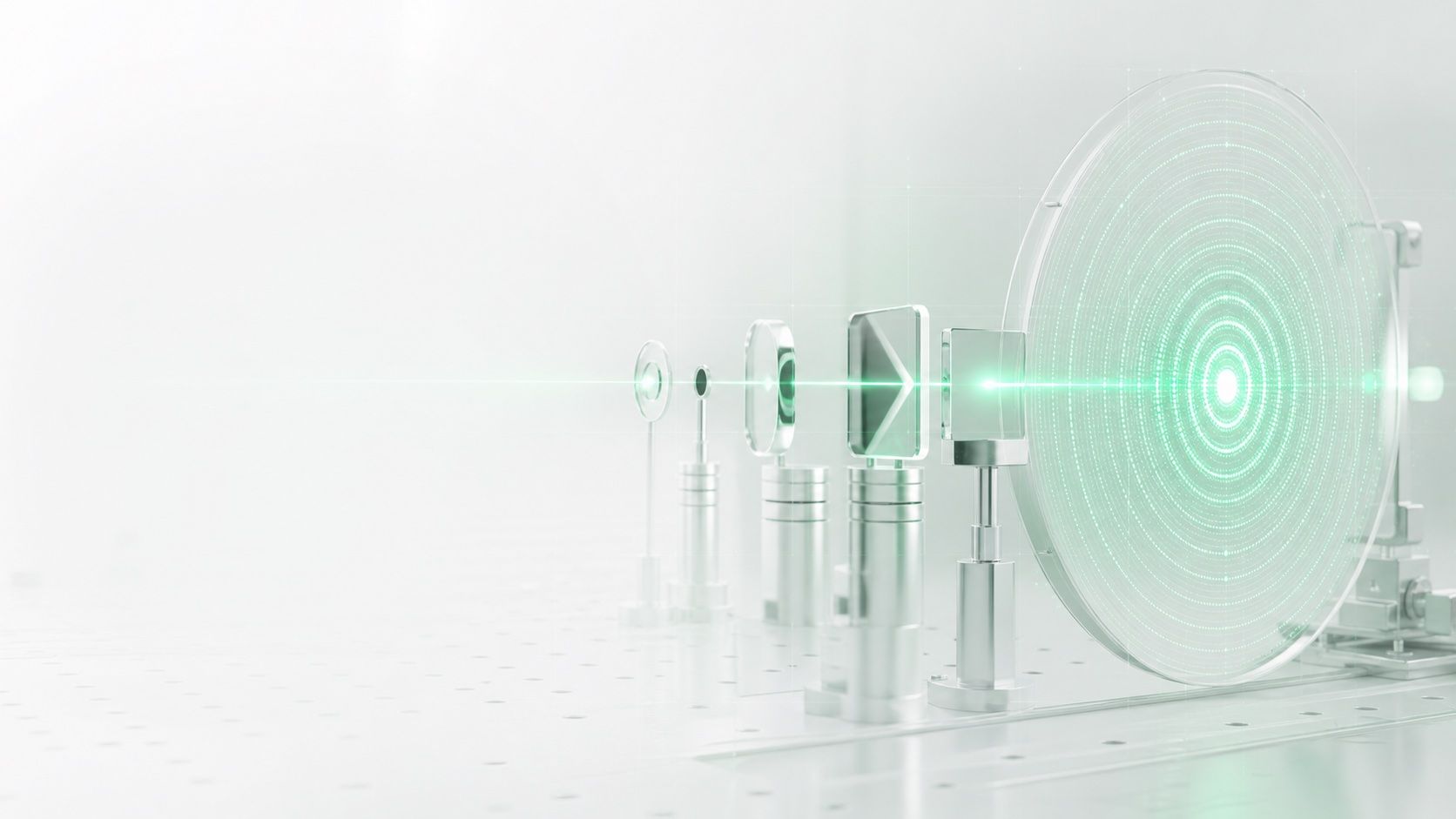
Precision Optoelectronics for Advanced Measurement
From single-photon detection to EUV optics, we deliver measurable solutions for research and industry.
- Photon Detection
- EUV Optics
- Crystal Orientation
- X-ray Focusing
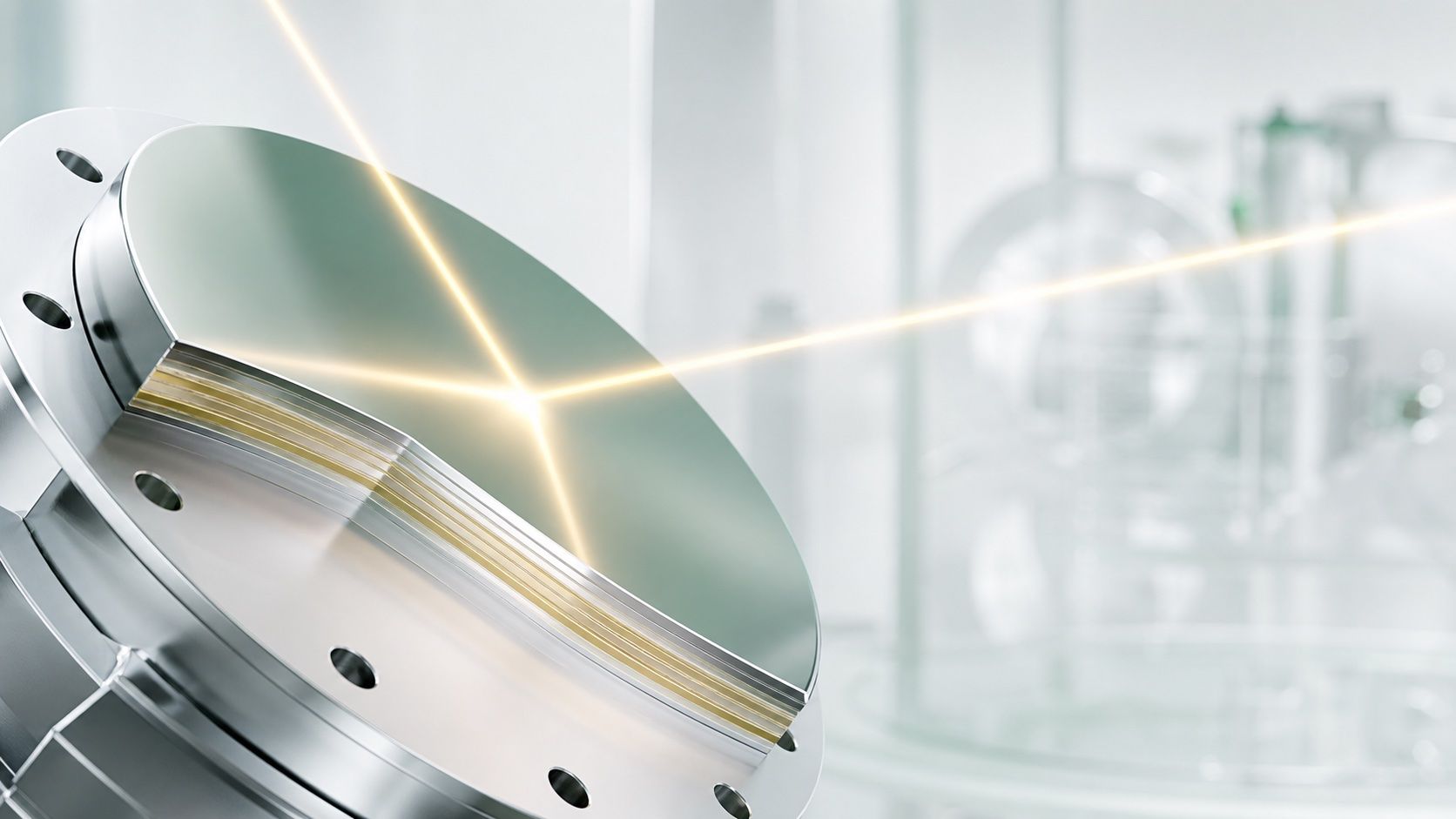
EUV Multilayer Optics
Precision reflection at 13.5nm
High-precision Mo/Si coatings for EUV lithography, metrology, and advanced research applications.
View EUV Optics ↗Four Technology Platforms
Single Photon Detection
EUV Multilayer Optics
Crystal Orientation
X-ray Focusing
Application illustrations · Generated scenes explain potential workflows. They are not photographs of our facilities or records of completed tests.

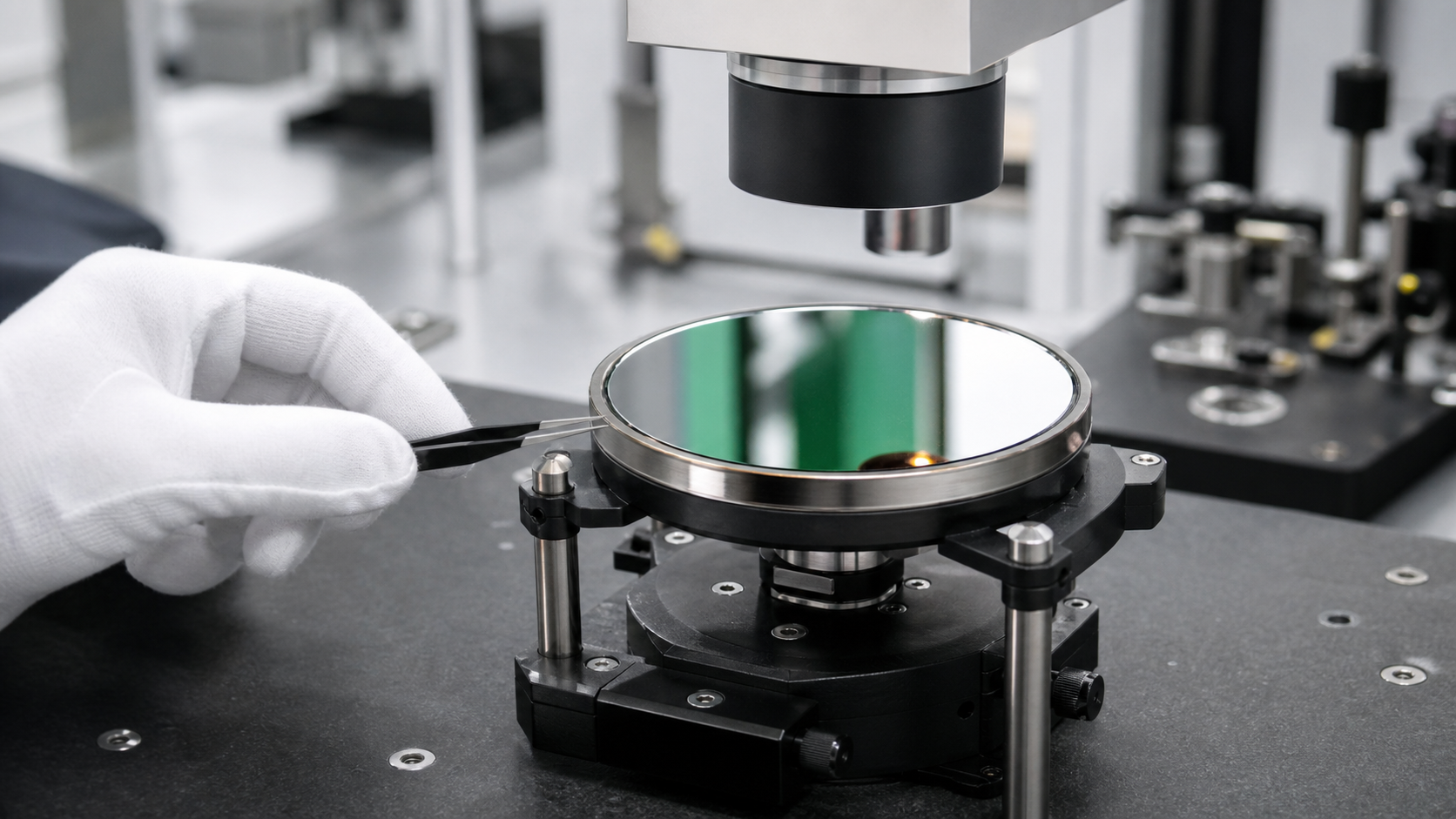
Cleanroom inspection / optical sample review
Real-World Applications
Precision optics for next-generation semiconductor manufacturing.
High-resolution imaging and spectroscopy applications.
Rapid orientation for research and production workflows.
Configured to your specific measurement requirements.
Semiconductor Manufacturing
Materials Analysis
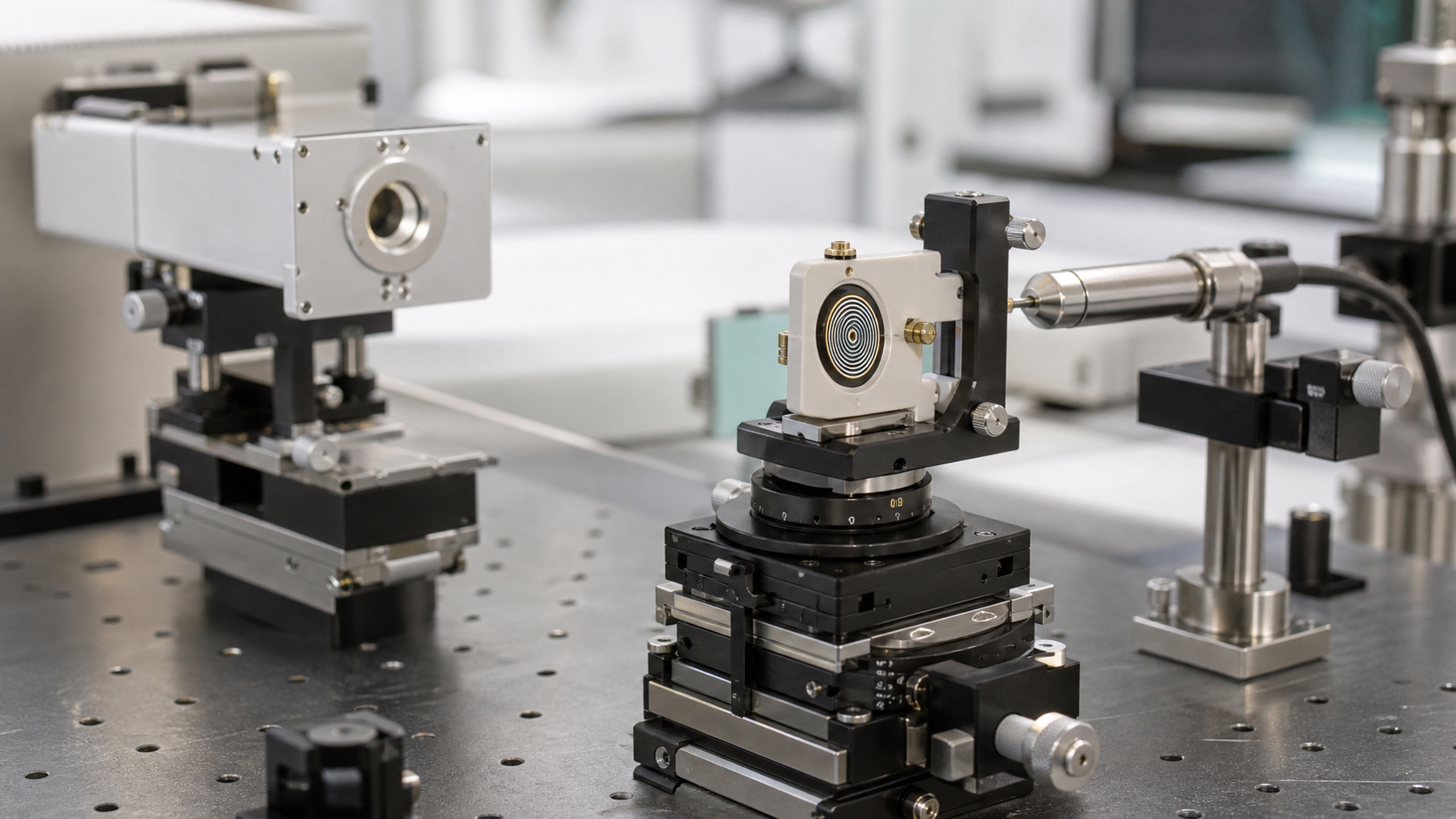
Scientific Research
Our Product Portfolio
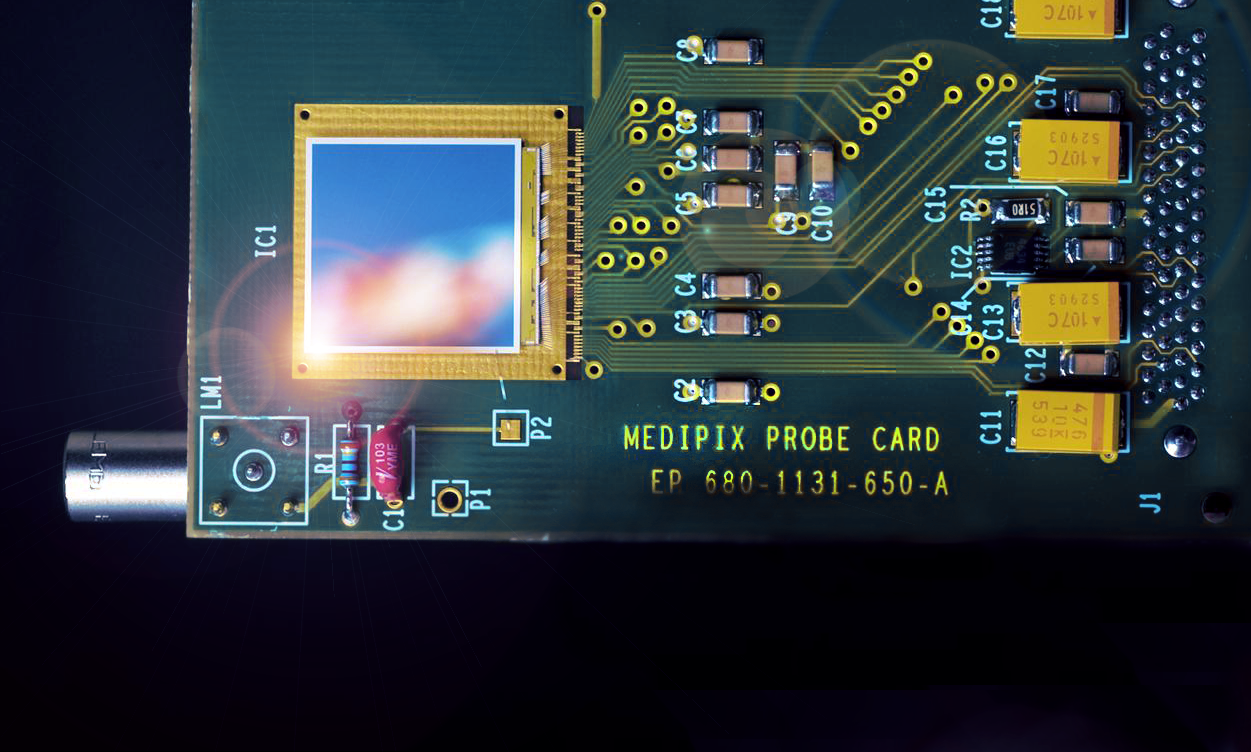
Single Photon Counting Pixel Detectors
Direct Conversion — CERN Medipix Technology
View product ↗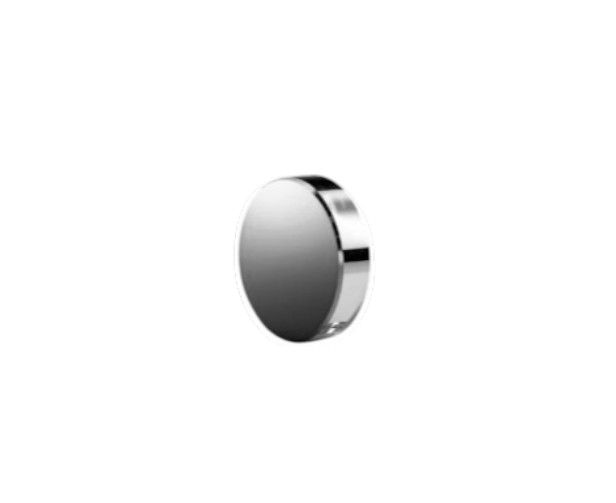
13.5nm EUV Multilayer Mirror
Precision Mo/Si Multilayer Coating for Extreme Ultraviolet
View product ↗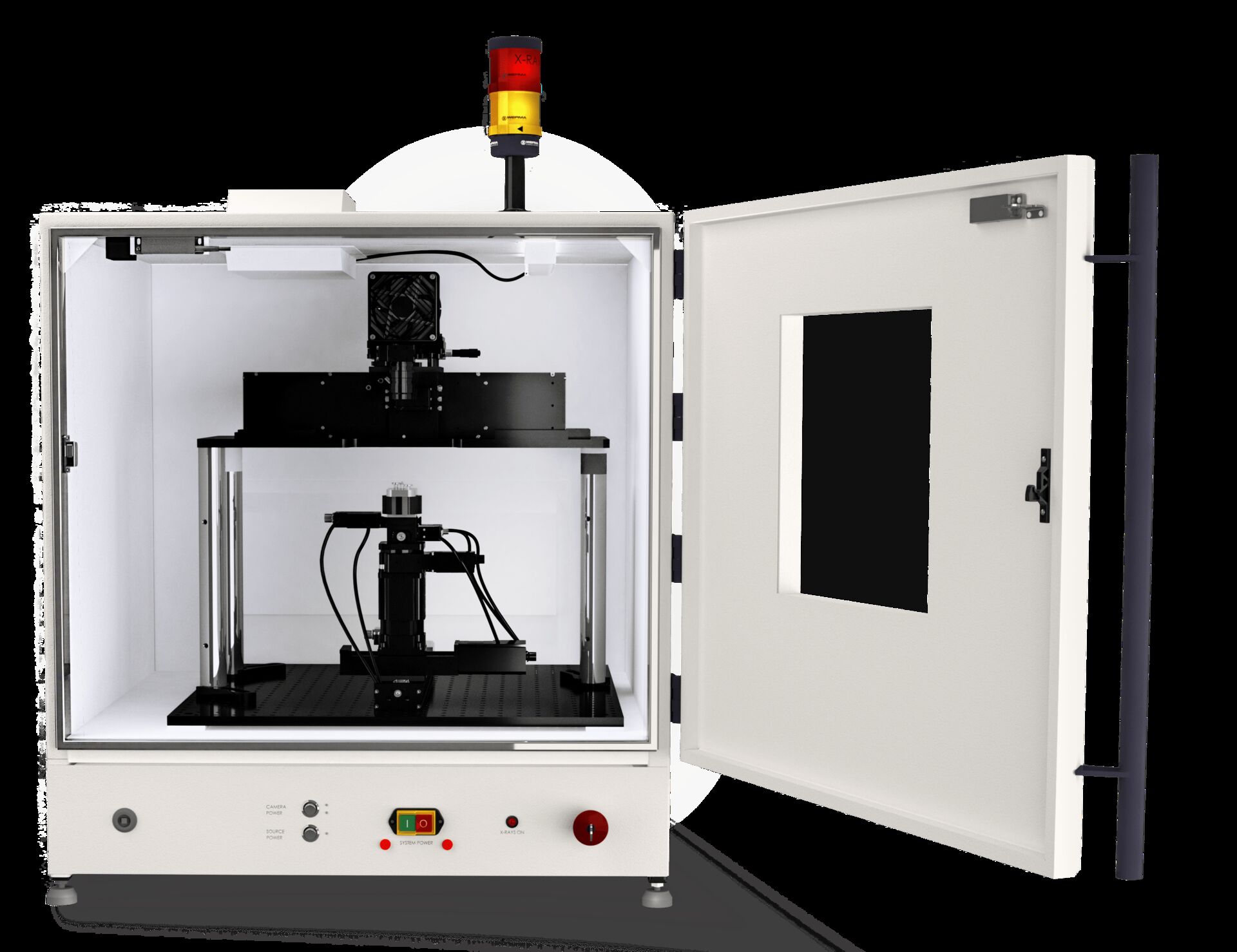
Vertical Laue Crystal Orientation System
High-Resolution Laue Diffraction for Single Crystal Analysis
View product ↗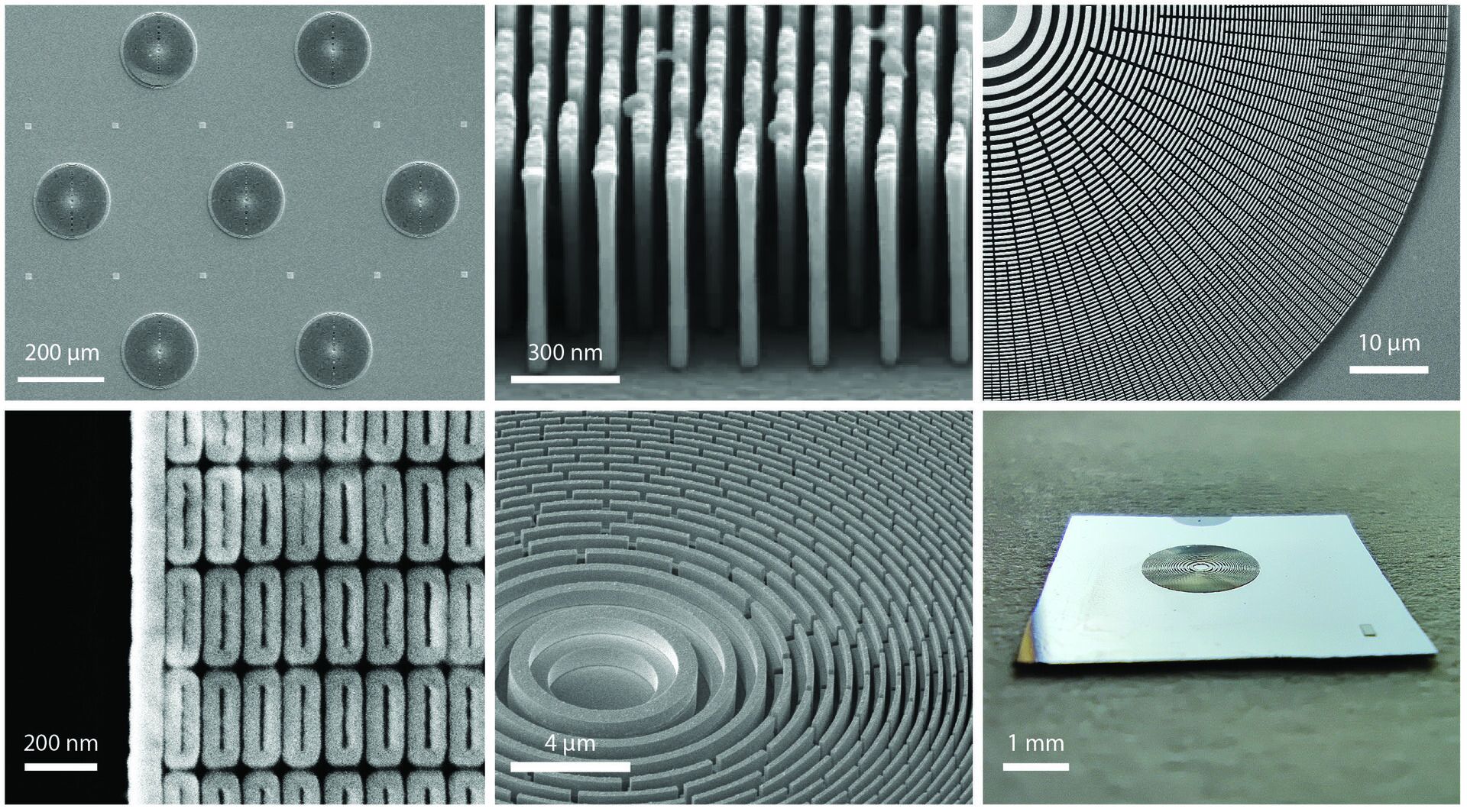
Highest Efficiency Fresnel Zone Plates
Advanced Diffractive Optics for X-Ray Focusing
View product ↗Latest Updates

Single-Photon Counting: When Every Event Matters
A practical overview of where photon-counting detectors create value: low-dose imaging, energy-aware measurements, and difficult signals that conventional integration cameras can bury in noise.

What Makes a 13.5 nm EUV Mirror Work
EUV optics are less about visible reflectivity and more about nanometer-scale layer control. This note explains why multilayer design, substrate quality, and process stability matter.
Choosing Fresnel Zone Plates for X-ray Focusing
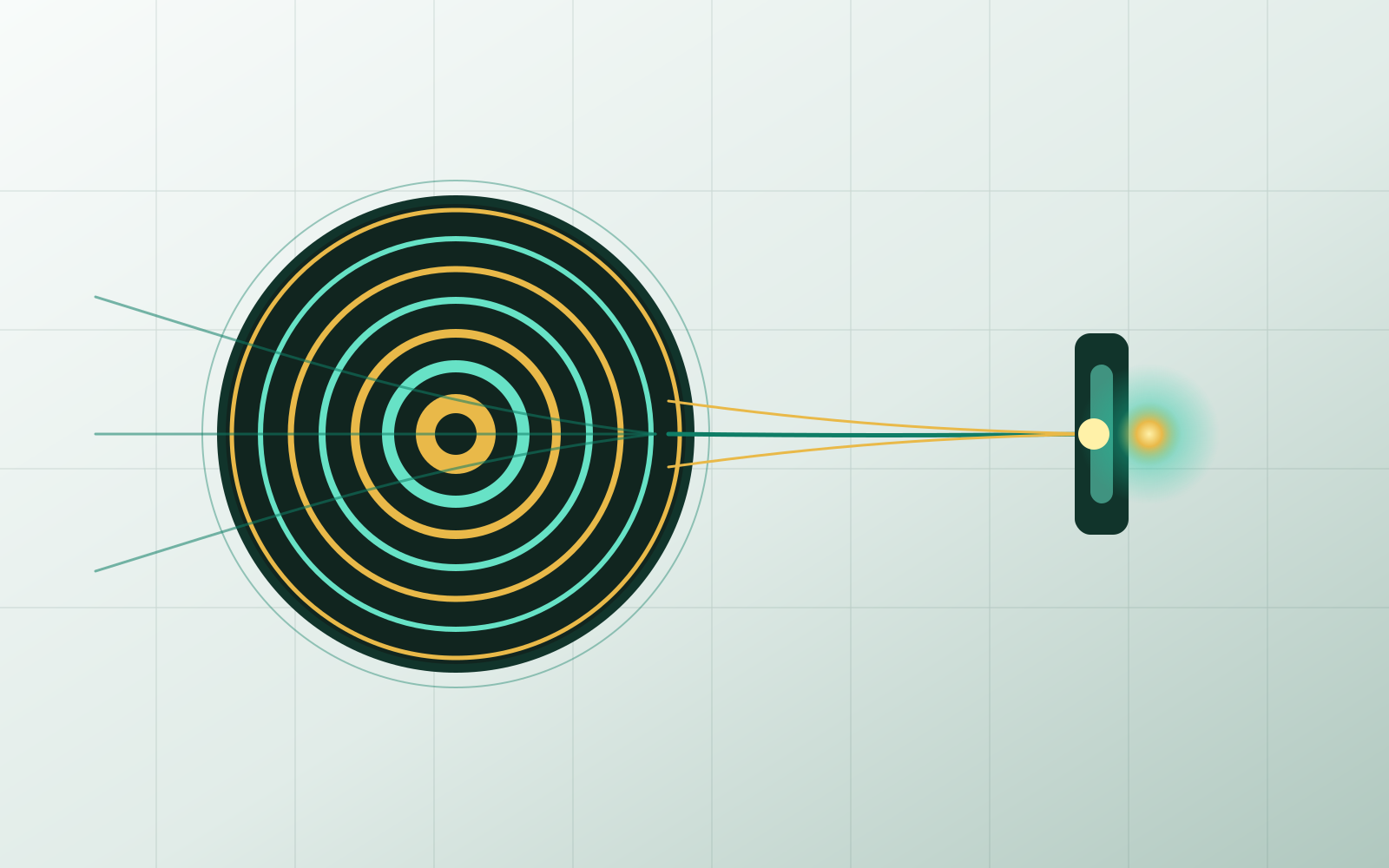
Fresnel zone plates can focus X-rays where refractive optics struggle. The right choice depends on energy, outermost zone width, aspect ratio, material, and required efficiency.